
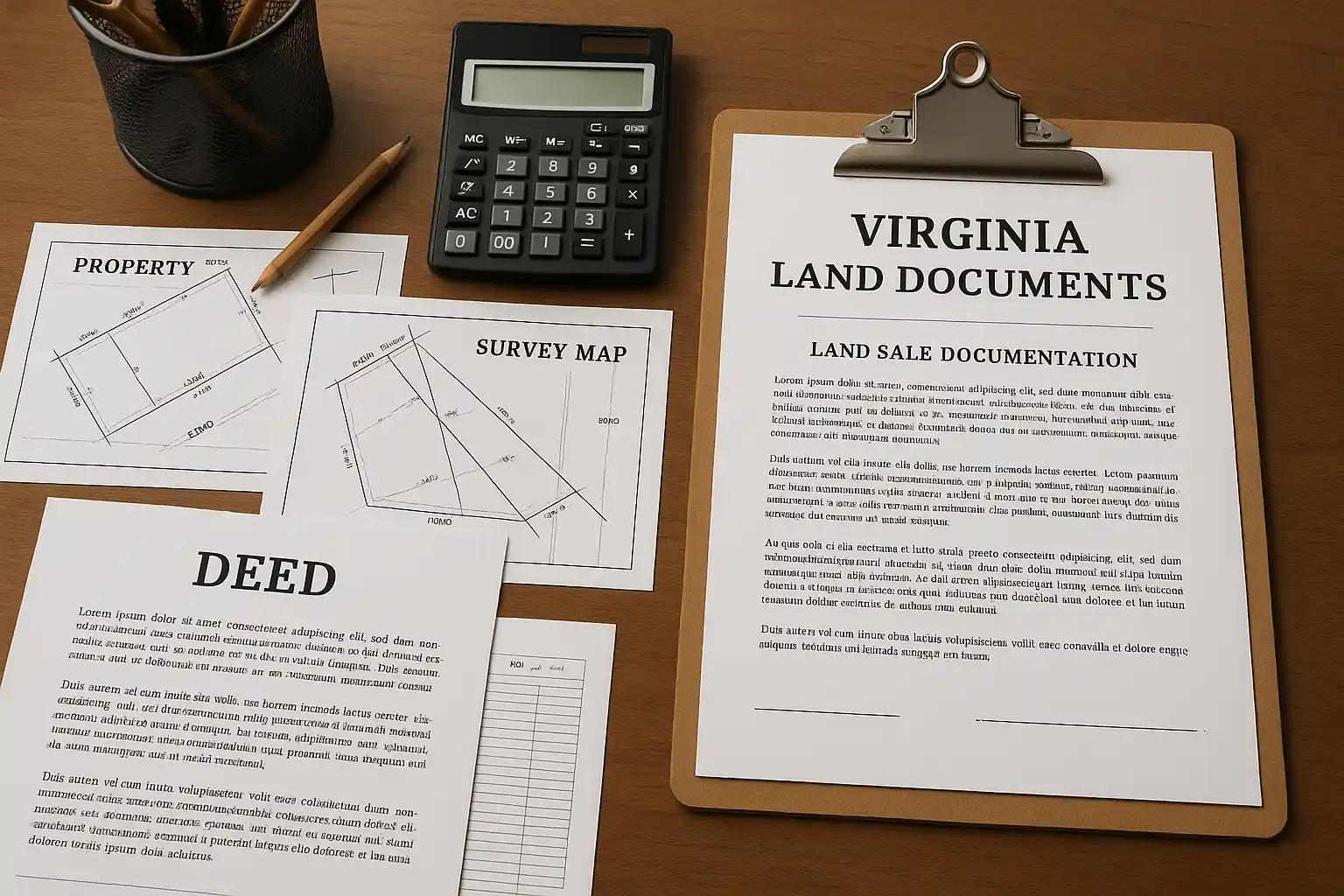
Virginia’s New Deed Fraud Law: What It Means for Your Closing
What is Virginia’s new deed fraud law, and how does it affect home sellers?
Virginia’s new deed fraud law, created by companion bills HB 163 and SB 316, took effect July 1, 2026.
By Cristina Dougherty | August 2026
If you’ve closed on a home in Fairfax or Loudoun County before, you know the settlement table involves a stack of paperwork and a notary who stamps most of it. Starting this summer, that part of the process looks a little different, and there’s a good reason for it.
Virginia passed a new law aimed squarely at deed fraud, also called title theft. This law is Virginia’s response to that problem, and it changes a few things about how your closing works.
What the law actually changes
HB 163 and SB 316 passed the General Assembly unanimously this year, following a statewide study into how deed fraud happens and who it targets. The changes roll out in two phases.
Effective July 1, 2026:
- Notaries can no longer rely on simply recognizing you to verify your identity. Every notarial act now requires satisfactory evidence of identification, and notaries must keep records of every notarization, including what form of ID was used.
- Settlement agents — the title companies that handle closing in Fairfax and Loudoun County — now have a legal duty to exercise ordinary care in confirming a seller’s identity before the transaction is recorded. In practice, this means your title company will be more thorough about verifying who you are before your deed changes hands.
Effective July 1, 2027:
- Any circuit court clerk’s office with electronic land records must offer a free property alert notification system. Once you enroll your address, you’ll get notified automatically if a deed, deed of trust, or other document affecting your property gets filed.
- New and renewing notaries will need to complete training that covers real estate fraud and financial exploitation of the elderly.
Why Virginia built this law around vacant and unencumbered homes
The study behind this legislation found that deed fraud in Virginia overwhelmingly targets a specific kind of property: vacant land, second homes, rental properties the owner doesn’t visit often, and homes with no mortgage. Free-and-clear equity with nobody watching closely is exactly what makes a property attractive to someone forging a signature.
What this means at your next closing
If you’re selling a home in Fairfax County or Eastern Loudoun County, don’t expect this law to slow your transaction down in any meaningful way. What you should expect is a bit more rigor from your title company around confirming who you are, especially if anything about the sale looks unusual to them, such as a rushed remote closing, a cash buyer you’ve never met, or a request to sign and notarize everything by mail.
Those same red flags are the ones that show up in real deed fraud cases: pressure to close fast, insistence on doing everything remotely, and communication that happens only by text or email. A good settlement company handles your closing paperwork as a matter of course, and now that includes taking your identity verification seriously enough to document it. If your title company asks for an extra form of ID or takes a few more minutes confirming details that used to be a formality, that’s this law working the way it’s supposed to.
In practice, most sellers won’t notice much of a difference beyond bringing a valid photo ID to the table, the same way you always have. Where you’re more likely to feel the change is if you’re selling remotely, using a power of attorney, or closing on behalf of a family member’s estate. Those situations already draw more scrutiny from title companies, and this law gives them a clearer legal responsibility, and a clearer legal protection, for asking more questions before they record your deed.
A buyer’s biggest risk in a fraud scenario is closing on a property that a fraudster never legitimately owned in the first place. Tighter verification on the seller side protects everyone’s interest in the transaction actually being valid.
What you can do before you ever list
You don’t have to wait until 2027 to protect yourself. A few things are worth doing now, especially if you own property in Franklin Farm, Franklin Glen, or anywhere else in this market that you’re not actively living in or watching closely:
- Check with your county’s circuit court clerk now. Some Virginia localities already offer property alert or fraud notification systems ahead of the 2027 statewide requirement. If Fairfax or Loudoun County has one live, enroll your address.
- Keep an eye on your property’s public record periodically, particularly for homes you’ve inherited, rental properties, or land you’re holding onto.
- Be cautious of any unsolicited offer that pressures a fast, all-remote closing, especially on a property you don’t visit often. That’s the exact pattern the law’s authors were responding to.
This is exactly the kind of thing I talk through with clients who are getting ready to sell an inherited home or a property they’ve held as a rental for years. It’s a five-minute conversation that can save a serious headache down the road.
Frequently Asked Questions
When does Virginia’s new deed fraud law take effect?
The core requirements — stricter notary identification and the settlement agent’s duty to verify a seller’s identity — took effect July 1, 2026. The property alert notification system and expanded notary training requirements follow on July 1, 2027.
What identification will I need to bring to my closing now?
Bring a valid, current government-issued photo ID, the same as you likely have in the past.
Does this law apply to buyers as well as sellers?
The identity-verification duty is specifically written around confirming the seller’s identity, since that’s where deed fraud schemes originate.
How common is deed fraud in Virginia?
Deed fraud has been rising enough that the General Assembly commissioned a yearlong statewide study before drafting this legislation. It disproportionately targets vacant land, second homes, and unencumbered properties where the owner isn’t checking on the property regularly.
What is the property alert system starting in 2027?
Some Virginia localities already offer a version of this ahead of the statewide deadline.
If you’re thinking about selling a home you’ve owned for a while, especially one you’ve rented out or inherited, I’m happy to walk you through what to expect at closing under these new rules. Call or text me at 703-969-0471, or visit www.GetKeyedUp.com to get started.
About Cristina Dougherty
Cristina Dougherty is a REALTOR® with Paul Wesley Real Estate, based in Western Fairfax County and serving sellers and buyers throughout Fairfax and Loudoun Counties, including Chantilly, Herndon, Franklin Farm, and Franklin Glen. With 24 years of experience in this market, she keeps her clients ahead of the process and legal changes that affect their closings.
Thanks!
Cristina Dougherty | REALTOR®
Paul Wesley Real Estate (www.PaulWesley.com)
703-969-0471 | www.GetKeyedUp.com